
Catacombs of Rome
When you think of romantic Rome, mysterious corridors and old crypts may not be the first thing that come to mind. Just outside the city are the Catacombs of Rome, a network of underground cemeteries dug in the second century AD. The most impressive are the Catacombs of St Callixtus, where 16 popes and some 30 martyrs are buried.
The little Vatican
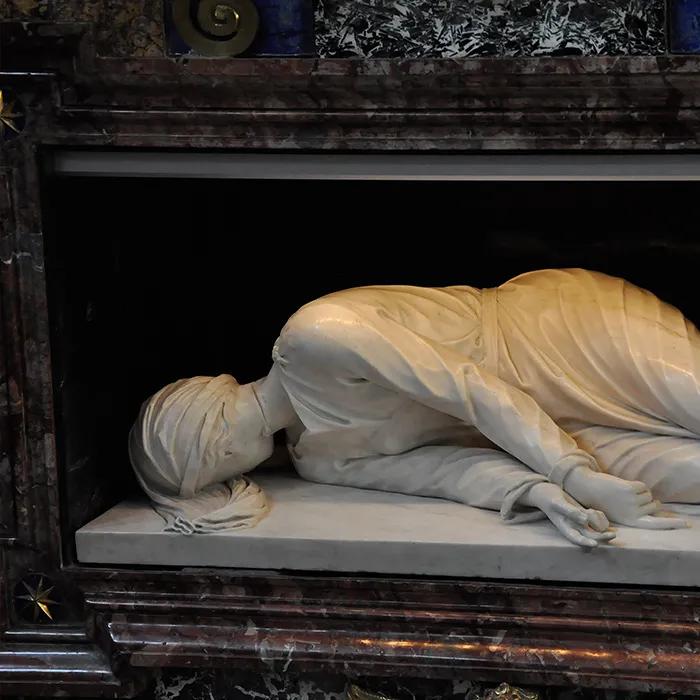
There is an air of mystery in the corridors. The catacombs count no fewer than 4 storeys and some are 20 metres below ground. The most important of the various sections is the popes’ area, also known as ‘the little Vatican’. The popes’ crypts of St Callixtus are considered the most beautiful in the catacombs and original inscriptions are still visible in the walls. The crypt of St Cecilia is another highlight. St Cecilia, patroness of music, was buried here for 5 centuries. She died a martyr's death around the year 230 and her body was missing for a long time. Her tomb was rediscovered with the catacombs of St Callixtus in 820. Pope Paschal I gave the order to rebuild a church in the place where she had died and transferred her body there. The basilica of Santa Cecilia can still be admired in the charming neighbourhood of Trastevere.
Underground symbolism
The hallways and rooms of the catacombs are richly decorated with Christian symbols. As Christians could not practice their faith openly at the time, they painted and carved symbols to express their beliefs. The best known are the monogram of Christ, the fish and the Good Shepherd. The monogram consists of the Greek characters X and P, the first two letters of the Greek word for Christ. If they are engraved on a tomb, this means that a Christian is buried there.
Related articles
Arts & Culture
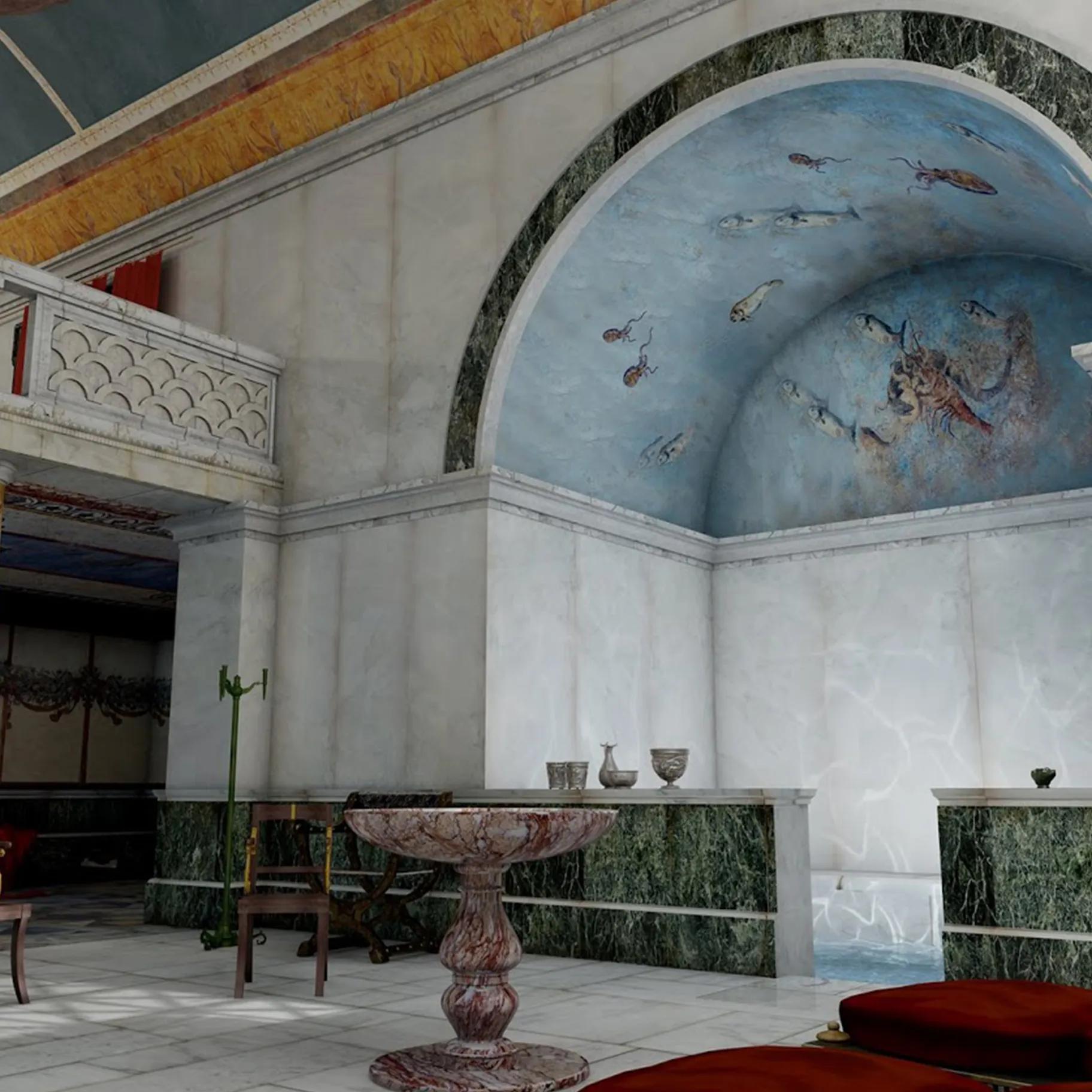
If you have always wanted to know what an actual Roman villa was like 2000 years ago, then head for Le Domus Romane di Palazzo Valentini. This new yet antique attraction was only discovered in 2007 and provides a unique insight into the life of the ancient Romans. Instead of musty ruins, the site offers amazing multimedia projections that bring the villas back to their former glory.
Arts & Culture
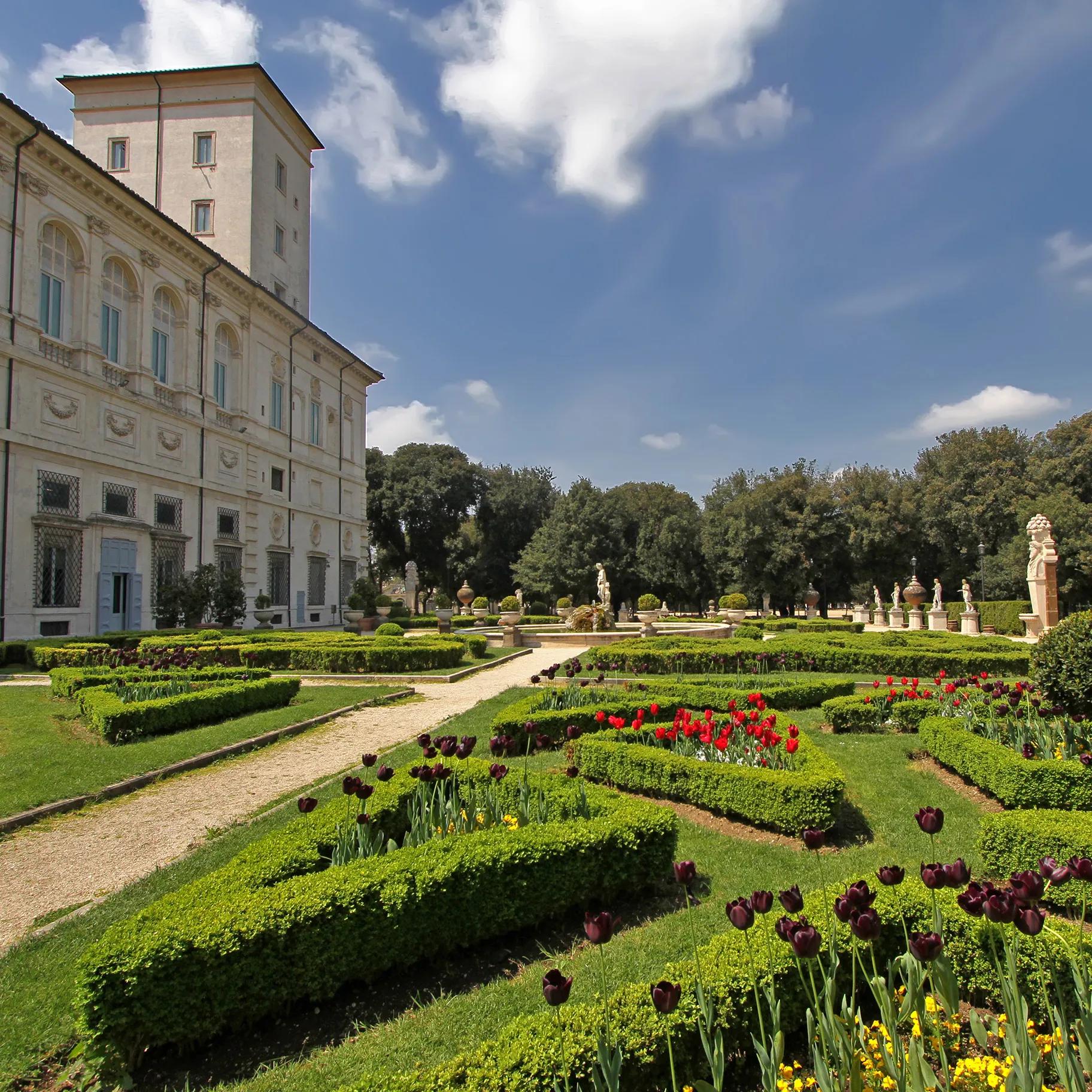
Villa Borghese, Rome’s largest park, is the perfect place to escape the busy city. Between the footpaths and flowerbeds you’ll find sculptures, fountains and temples. Most people visit the park for its 3 museums: the Galleria Borghese, the Museo Nazionale Etrusco and the Galleria Nazionale d’Arte Moderna. No wonder it is also known as museum park!

Discover other destinations in Europe
*The displayed prices are for one adult. All amounts are in AUD. Taxes and surcharges are included. No booking fee is applicable, but a payment surcharge may apply. Prices shown may vary depending on fare availability.
The weather forecast information is provided by World Weather Online. Air France-KLM is not responsible for the reliability of this data.