The mystery of La Sagrada Família
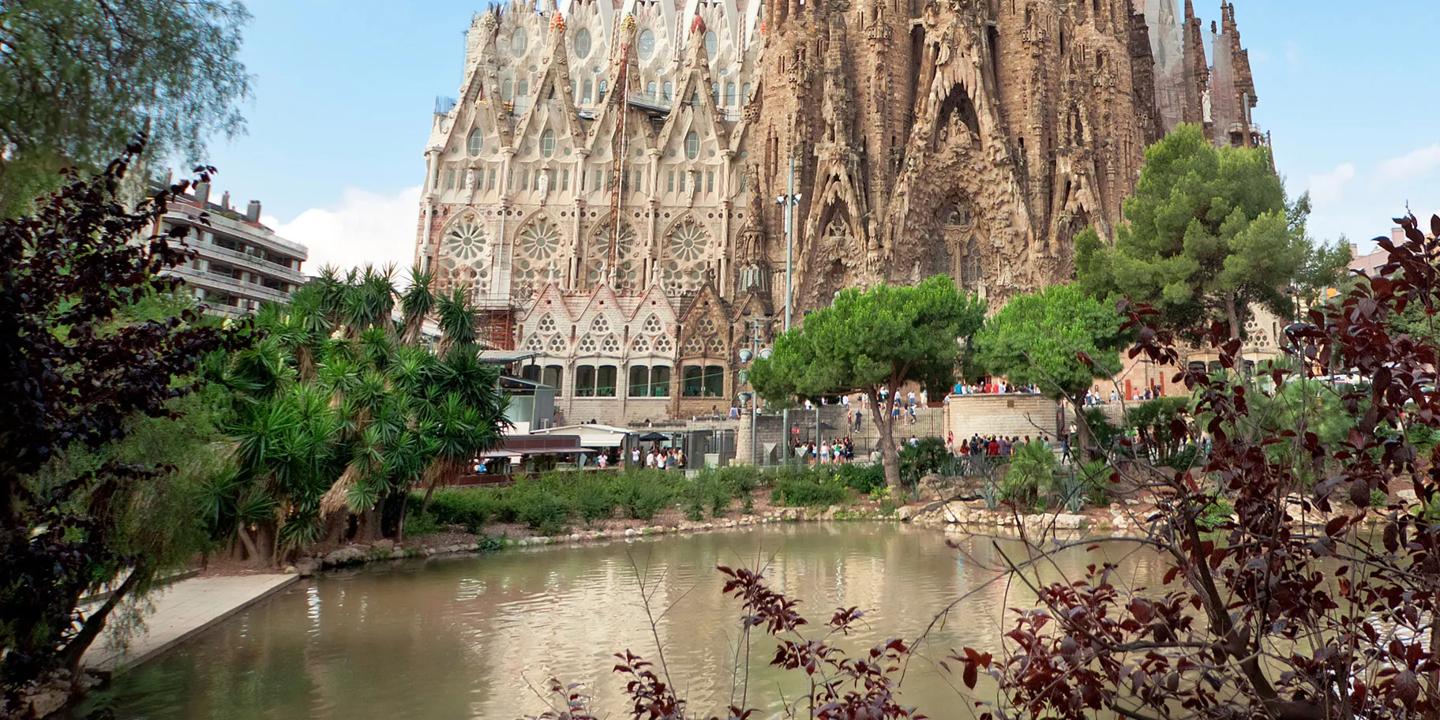
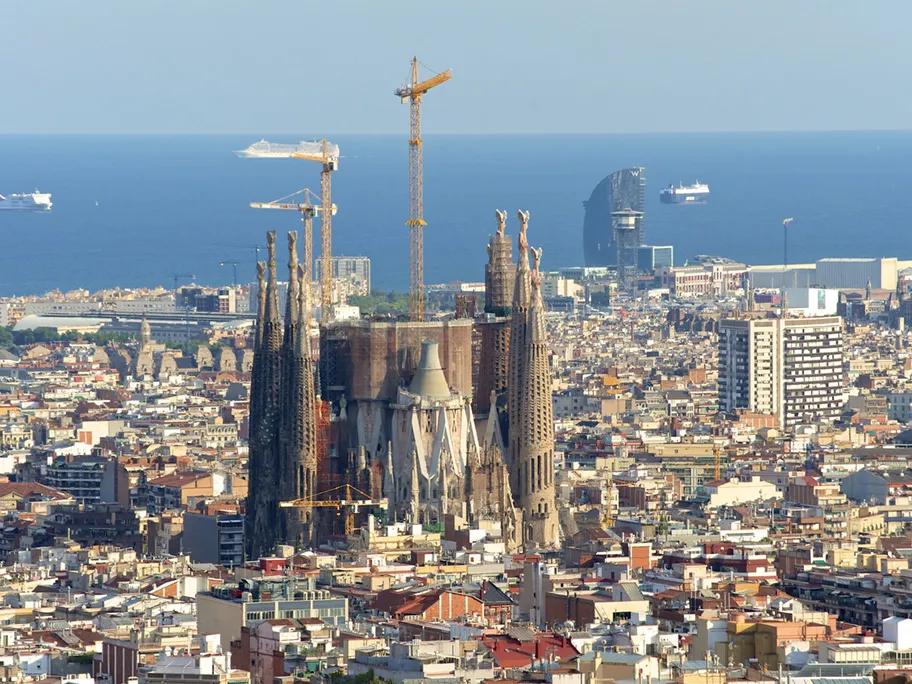
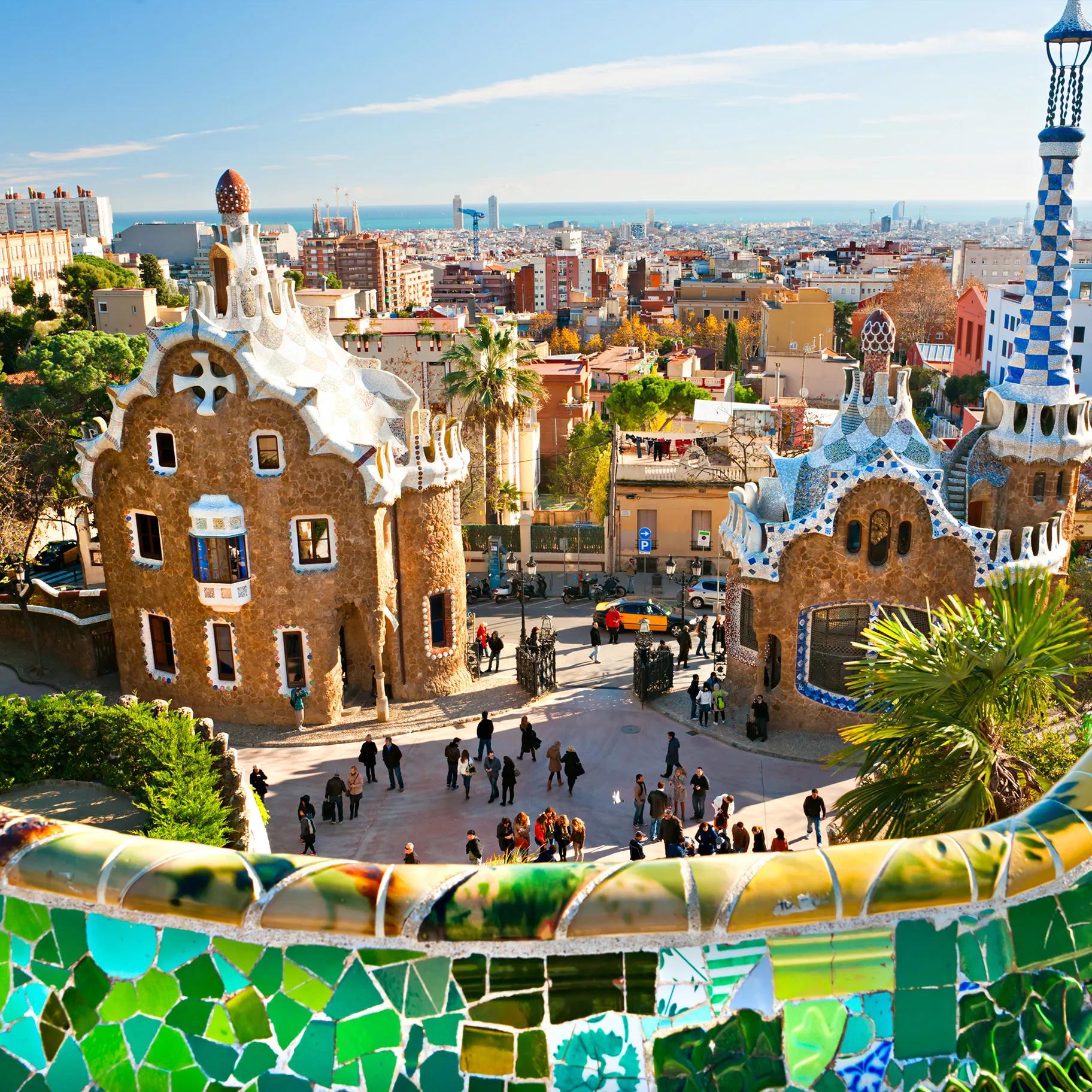
If anyone has left his mark on Barcelona it was architect Antoni Gaudí (1852-1926). His absolute masterpiece is of course the world-famous Basílica de la Sagrada Família. Even though construction began in 1882, the basilica remains uncompleted to this very day. In fact, it will take approximately 30 years from now for the building to be completely finished.
Continuous improvisation
Because Gaudí was continuously improvising during the construction, there are few blue prints and scale models of the basilica. Despite this, current architects have a good idea of Gaudí’s intentions. When completed, La Sagrada Família will boast 18 towers in total. Reaching a height of 90 to 120 metres, the 4 towers along each of the 3 façades represent the 12 apostles. Another 4 towers represent the 4 evangelists; these towers will surround the largest tower, 170 metres high, dedicated to Jesus Christ. The last tower, dedicated to the Virgin Mary, will be built over the semi-circular niche.
Gaudí’s crypt
After Gaudí’s death, construction was seriously delayed due to a lack of money and the Spanish Civil War. It wasn’t until the mid-1950s that the pace picked up again. In 2000, the roof was finally placed on the central nave. Currently, builders are mainly working on the nave and the main façade. Even though La Sagrada Família is far from finished yet, the basilica, the crypt and the museum are open to the public. Those who do not suffer from fear of heights or claustrophobia can also visit the towers. Take a lift – or a long walk – to the top to enjoy a fantastic view over Barcelona. At night, La Sagrada Família is beautifully illuminated which makes its angular construction materials stand out even more, illustrating why it is said that the church is built from bones.
Related articles
Culinary
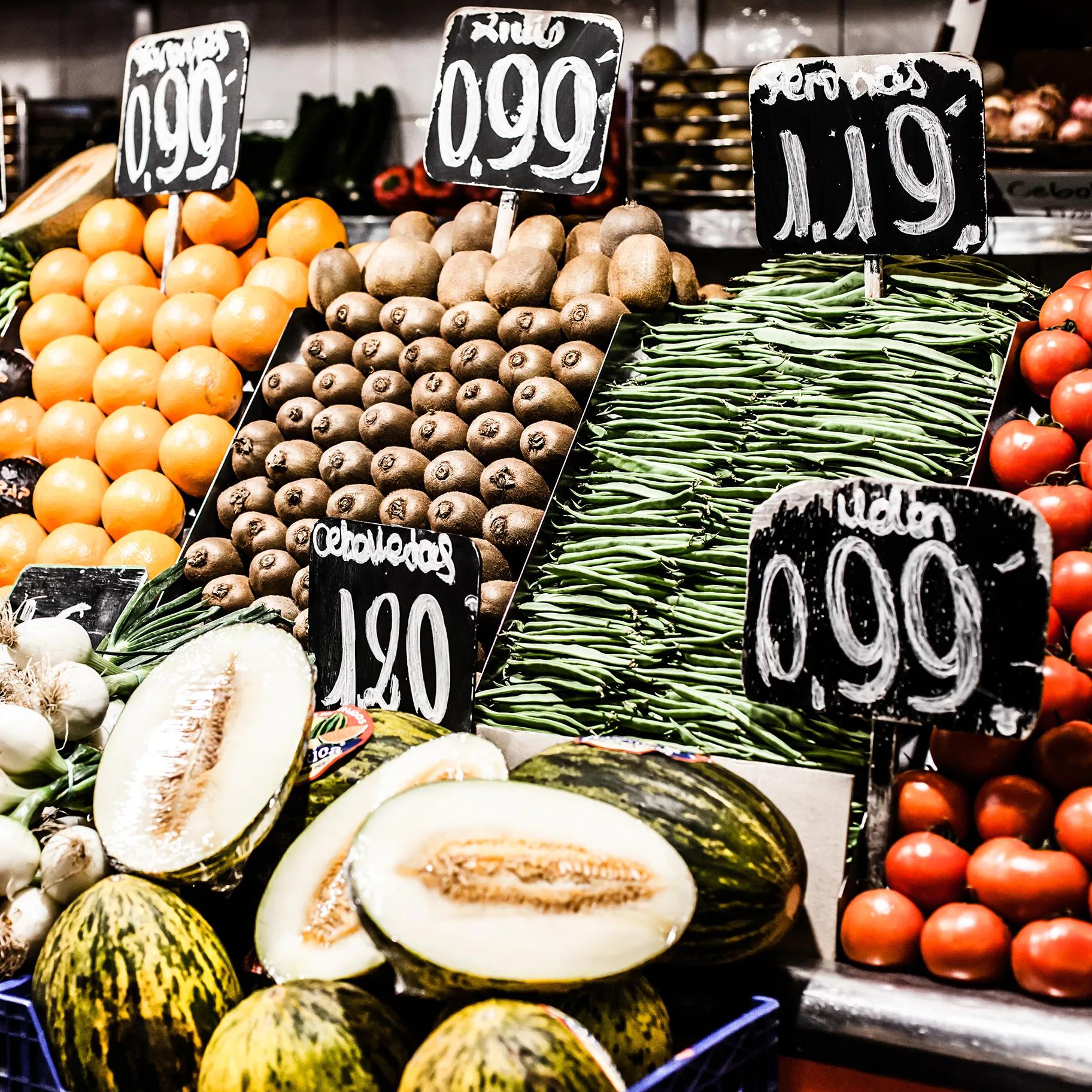
To discover the soul of the Barcelonans, it’s best to eat one’s way through Barcelona. From farmhouse cheese to molecular gastronomy, the versatile flavours of Catalonian cuisine tell the turbulent story of the region. The Visigoths, the Moors and the French have all occupied this fertile area on the Mediterranean Sea over the past centuries, and they have all left their mark as the tastes in Barcelona’s markets make clear.
Arts & Culture
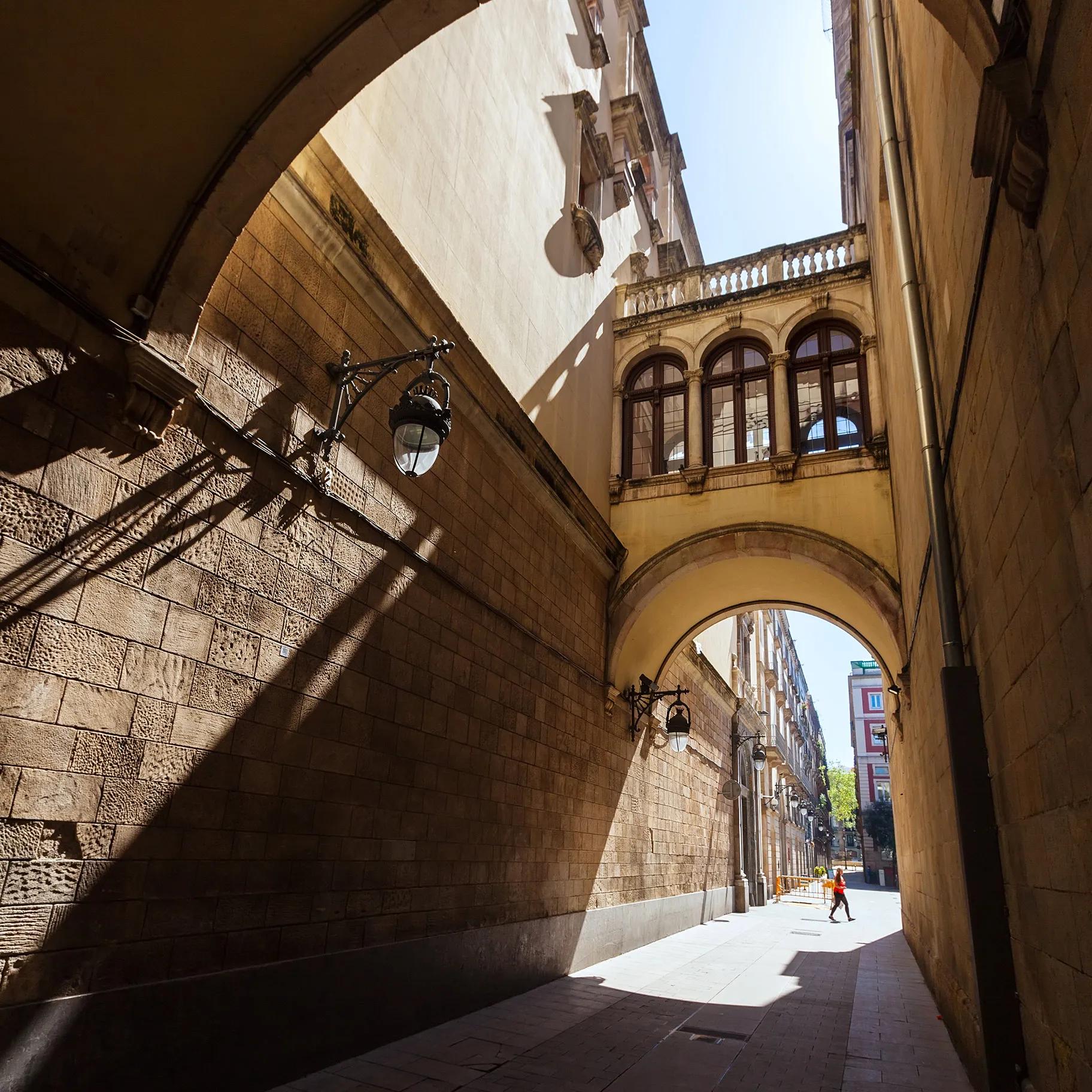
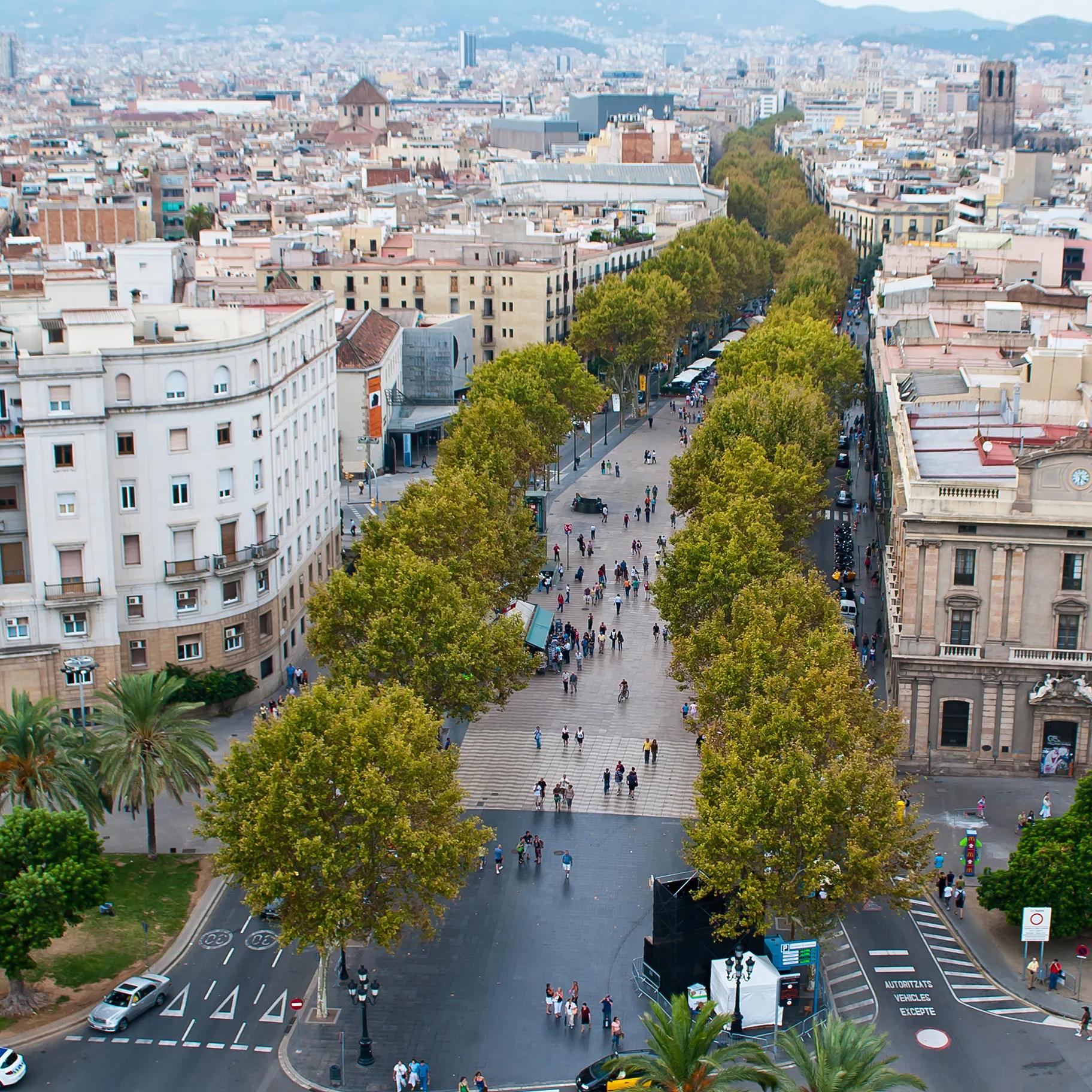
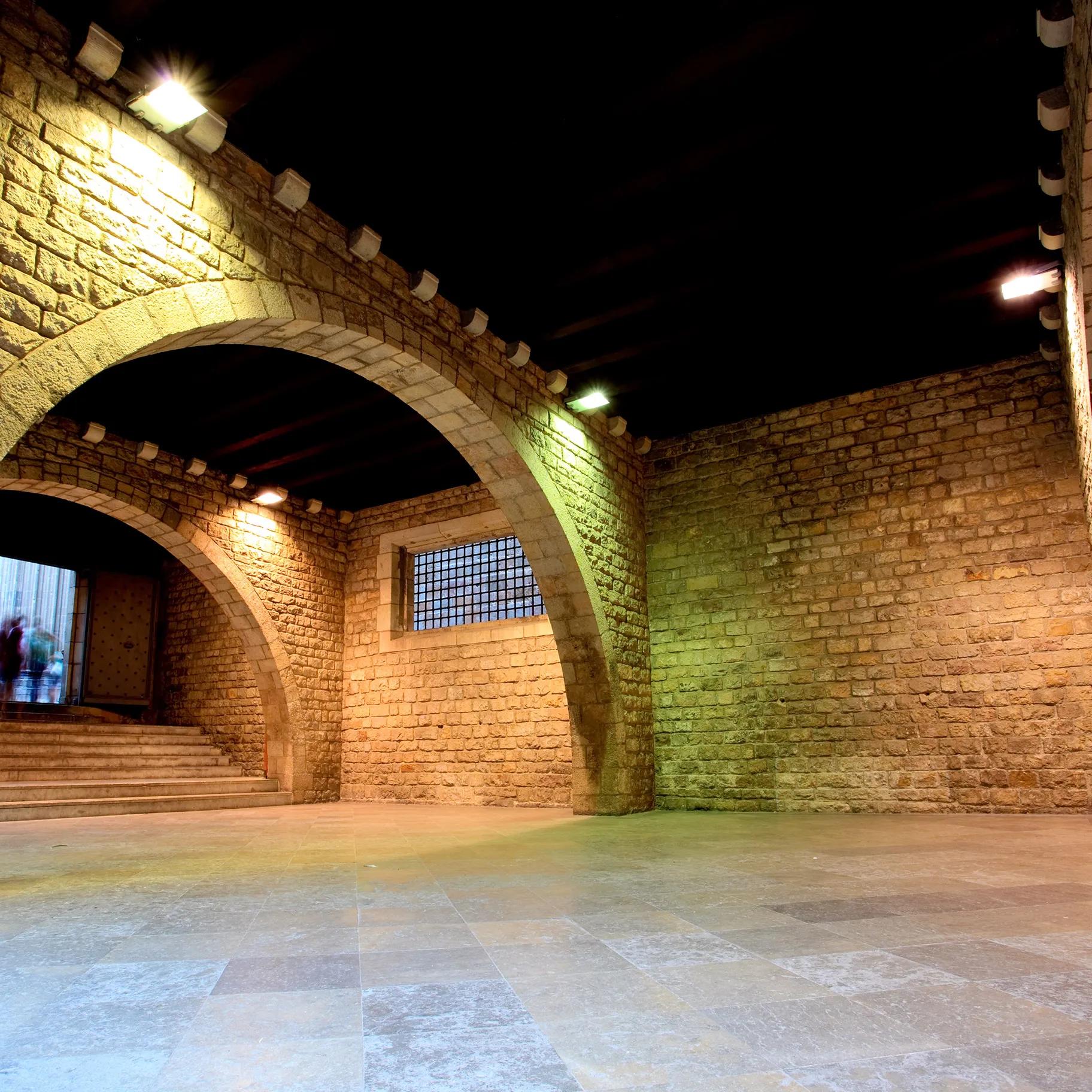
Escape the bustle of La Rambla in the Gothic Quarter’s maze of narrow streets. The Barri Gòtic is one of the city’s oldest and most atmospheric districts. This is where the Romans established the settlement of Barcino, from which Barcelona derives its name. While strolling through its medieval alleyways, you can easily imagine they were often a source of inspiration to the artists Picasso and Miró.


Discover other destinations in Europe
*The displayed prices are for one adult. All amounts are in AUD. Taxes and surcharges are included. No booking fee is applicable, but a payment surcharge may apply. Prices shown may vary depending on fare availability.
The weather forecast information is provided by World Weather Online. Air France-KLM is not responsible for the reliability of this data.